Jack’s Answers
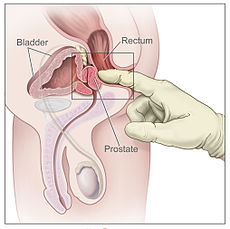
1. When is the last time you or your loved one had their prostate checked?
The last time I had my prostate checked was during my last physical, which was…well, suffice it to say that it’s probably been too long.
2. Besides a medical professional, how many other people have had their finger up your ass?
Just that overzealous TSA who felt I didn’t look “American enough”. Racist bastard.
3. Have you ever given or received a prostate massage? Did you like it? Did you cum or orgasm?
No, I have honestly never had my prostate touched as part of sex play. I know it’s supposed to be great and lead to intense orgasms. But my ass is pretty much off-limits. Now, I know what you’re thinking: For all my sexual open-mindedness, I’m apparently afraid to put my money where my mouth is when it comes to ass play. But the truth is that I’m not in any way, shape, or form squeamish about the implications of being on the receiving end, nor am I necessarily worried about pain. No, my reluctance to switch the sign on my butt from “exit only” to “entrance” is due primarily to my squeamishness about the primary function of that orifice. If someone ever tried fingering my ass and got more than they bargained for, I don’t know that I’d be able to live it down.
4. Do you enjoy anal play–rimming, fingering, penetration, etc.?
Yes, I enjoy all of these things as the pitcher. For the reason mentioned above, I am not fond of catching.
5. Ever had anal sex?
A. No, and I don’t want to.
B. No, but I am dying to try it.
C. Yes, but it is just okay.
D. Yes, love it…can’t get enough of it.
E. That’s the way I like it. Anal sex is the best sex.
I’d go with D. I really do enjoy anal, though I don’t think I’ll ever enjoy it as much as vaginal intercourse. Given the opportunity, we’d have much more anal than we have been having lately. I’m thinking once a week would be good.
6. You are about to have anal sex, which method would you choose:
A. Finger up the ass
B. Prostate stimulator
C. Penis–real or strap-on
I’d go with C. We are talking about my penis here, right? Not my ass.
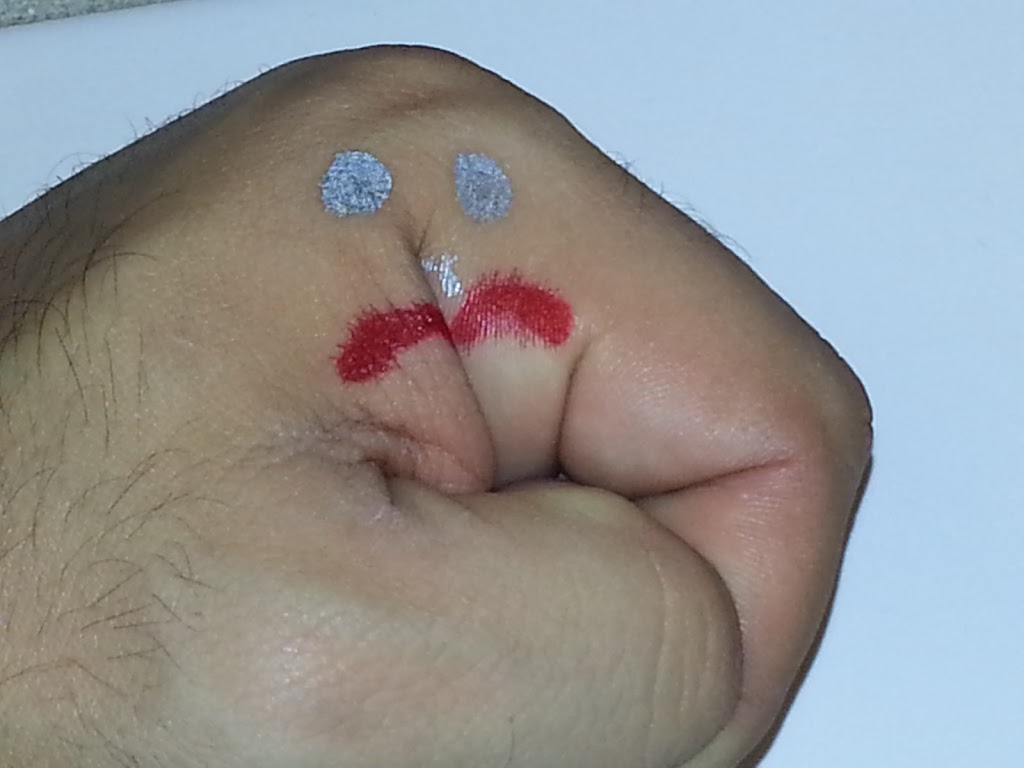
Bonus: Show us your Movember moustache. Post a photo.
Ask and ye shall receive.
Bet you didn’t know I’m a natural redhead.
Jill’s Answers
1. When is the last time you or your loved one had their prostate checked?
Whenever I am asked about my prostate I always forget that women have one. The female equivalent of the prostate is the Skene’s gland, which is basically the G-spot. It’s been stimulated many times, but as far as having it checked, unless they do that during a pap smear, I don’t think it’s ever happened.
2. Besides a medical professional, how many other people have had their finger up your ass?
Two people have fingered my ass. The first was an old fuck buddy of mine who enjoyed that sort of thing. The other is, of course, Jack.
3. Have you ever given or received a prostate massage? Did you like it? Did you cum or orgasm?
I’ve never massaged anyone’s prostate, but I have had my G-spot massaged many times, by Jack. To say that I like the experience is an understatement. I love it! It gives me the most amazing and intense orgasms, and I squirt everywhere.
4. Do you enjoy anal play–rimming, fingering, penetration, etc.?
Yes, yes, and yes! I enjoy it all. I love it when Jack fingers my pussy as he rims my ass. Both of those sensations together get me so hot and usually make me cum hard. It’s so intense. I also enjoy having my ass fingered, usually while Jack is fucking me doggy style or in the missionary position. I think of it as double penetration lite. And I do enjoy penetrative anal sex as well. We don’t do it as often as either of us would like to, but when we do it’s worth the prep.
5. Ever had anal sex?
A. No, and I don’t want to.
B. No, but I am dying to try it.
C. Yes, but it is just okay.
D. Yes, love it…can’t get enough of it.
E. That’s the way I like it. Anal sex is the best sex.
D. As I stated in my answer to #4, I really do enjoy it. It helps that I have a patient partner who knows the importance of moving slowly. To elaborate on my previous answer, we don’t have anal sex as often as we would like because we rarely find ourselves with the necessary time to devote to doing it properly.
6. You are about to have anal sex, which method would you choose:
A. Finger up the ass
B. Prostate stimulator
C. Penis–real or strap-on
I would choose all three! When we have anal sex, it tends to begin with Jack rimming me slowly and sensually, usually while he fingers my clit or my G-spot. When I am sufficiently warmed up he fingers my ass while continuing to play with my pussy. And when I can’t stand it anymore, when I literally can’t bear the thought of not having his cock in my ass for another second, that’s when he fucks me.
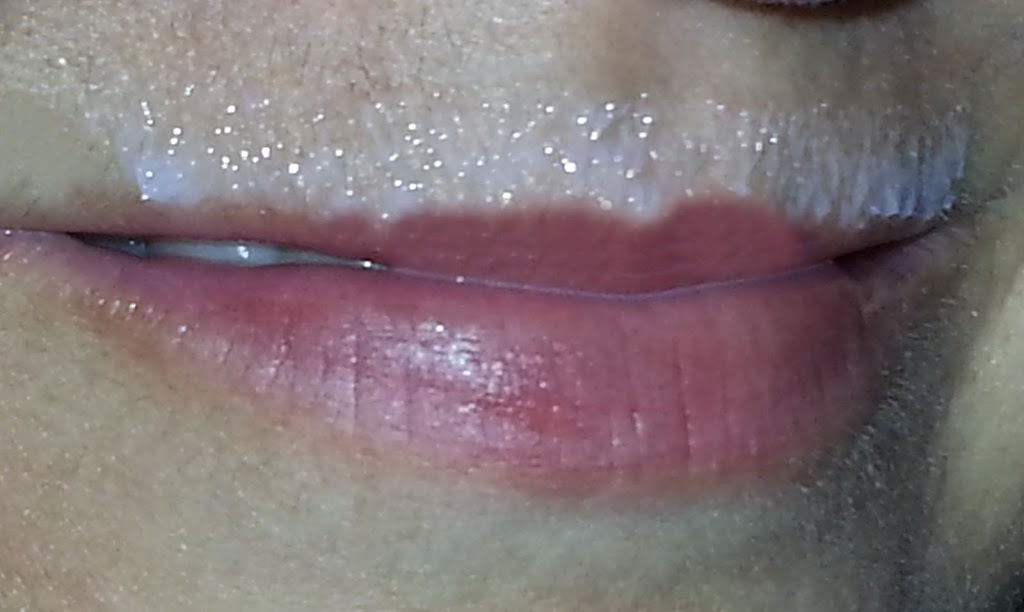
Bonus: Show us your Movember moustache. Post a photo.
Does a milk moustache count?
It really is milk.
How to play TMI Tuesday: Copy the above
TMI Tuesday questions to your webspace (i.e., a blog). Answer the questions there, then leave a comment below, on this blog post, so we’ll all know where to read your responses. Please don’t forget to link to
tmituesdayblog from your website!